I remember the first time a client came to see me clutching an ultrasound report that mentioned “hepatic steatosis.” She’d gone in for something completely unrelated, and this showed up as an incidental finding. Her GP said to “watch her diet,” handed her a pamphlet, and that was that. She’d already spent $200 at the health food store on various “liver detox” products and was more confused than when she started.
This scenario plays out in my clinic regularly. Fatty liver is incredibly common in Australia (affecting up to 30% of adults), it’s usually found by accident, and the guidance people receive is often frustratingly vague. The supplement aisle offers a dizzying array of products claiming to “cleanse,” “detoxify,” or “regenerate” your liver, but most people have no idea what actually works.
Here’s the reality check I give every client: your liver doesn’t need a detox. It needs support to do its actual job. Over 12 years of working with clients managing fatty liver, I’ve learned what makes a meaningful difference and what’s mostly marketing noise. This article covers the evidence-informed supplements I actually use in practice, why they work, and the honest truth about what matters more than any pill.
What’s Actually Happening in Fatty Liver
Let’s start with what fatty liver actually is, because understanding the problem helps you understand the solution.
Fatty liver (hepatic steatosis) means exactly what it sounds like: fat has accumulated inside your liver cells (hepatocytes). This isn’t a little bit of fat, we’re talking about more than 5% of the liver’s weight being fat. It happens when the liver is taking in more fat than it can process and export, so it gets stored there instead.
Why does this happen? The usual suspects are insulin resistance, dietary patterns high in refined carbohydrates and fructose, excess calorie intake, and metabolic factors. It’s closely linked with metabolic syndrome, type 2 diabetes, and obesity, but I’ve also worked with lean clients who have fatty liver. It’s not always about body weight.
Here’s what most people don’t understand: there’s a progression. Simple steatosis (just fat accumulation) can progress to NASH (non-alcoholic steatohepatitis), where inflammation and cellular damage occur. NASH can then progress to fibrosis and eventually cirrhosis. Not everyone progresses, but some do, which is why this matters.
The language of “detox” is completely wrong here. Your liver is already detoxifying—it’s one of the hardest-working organs in your body, processing everything from hormones to medications to environmental toxins. The problem isn’t that it needs to “cleanse” itself. The problem is that it’s struggling with inflammation, oxidative stress, and disrupted fat metabolism.
KEY POINT
What actually needs to happen: reduce inflammation, improve insulin sensitivity, support the liver’s cellular repair mechanisms, and address the metabolic factors driving fat accumulation in the first place.
This is where functional testing can be genuinely helpful. Standard liver function tests (LFTs) often look completely normal in fatty liver. You need a broader metabolic picture: insulin, HbA1c, inflammatory markers, lipid panels, sometimes imaging follow-up. I use this information to build a targeted approach rather than throwing random supplements at the problem.
The Supplements I Actually Use (And Why)
Let me be clear upfront: I don’t use all of these with every client. The approach is individualized based on what’s showing up in their presentation, their pathology results, and what else is going on metabolically. But these are the ones with actual evidence behind them and that I’ve seen work in practice.
Omega-3 Fatty Acids (EPA/DHA)
This is where I start with nearly every fatty liver client, and for good reason: omega-3s have the strongest evidence base for reducing liver fat content.
Multiple studies (including systematic reviews and meta-analyses) show that EPA and DHA supplementation reduces hepatic fat accumulation, improves liver enzyme markers, and supports metabolic function. The mechanisms include reducing inflammation, improving insulin sensitivity, and modulating fat metabolism in the liver itself.
In practice, I typically use doses of 2-3g combined EPA/DHA daily, though individual needs vary based on dietary intake, body weight, and inflammatory markers. This is higher than the “general health” dose you’ll see on most bottles (which is usually 300-500mg).
Quality absolutely matters here. Oxidized fish oil does more harm than good. I always ask clients if they experience fishy burps—if they do, it’s either a quality issue or the product is rancid. I use practitioner-grade brands that provide third-party testing for purity and oxidation markers.
Practical considerations:
- Take with food (improves absorption and reduces GI upset)
- Check for blood-thinning medications (omega-3s can increase bleeding risk)
- Give it time: you won’t see changes in 2 weeks, this is a 3-6 month intervention
NAC (N-Acetylcysteine)
NAC is a precursor to glutathione, your body’s master antioxidant. Glutathione is critical for phase 2 liver detoxification (the actual biochemical process, not the marketing buzzword version).
In fatty liver, there’s significant oxidative stress and glutathione depletion happening at the cellular level. NAC helps replenish glutathione, supports the liver’s detoxification pathways, and has direct anti-inflammatory effects.
I typically use 600mg twice daily, though some clients need more or less depending on their individual oxidative stress burden. It works best when paired with dietary changes, not used as a Band-Aid while everything else stays the same.
Timing matters: NAC is best taken away from food (at least 30 minutes before or 2 hours after) for optimal absorption. It can cause mild GI upset initially, which usually settles within a week.
One thing I’ve noticed over the years: NAC tends to work better for clients who also have signs of poor phase 2 detoxification (chemical sensitivities, histamine issues, poor tolerance of medications or alcohol). It’s helping with something deeper than just the fatty liver itself.
Vitamin E (as Mixed Tocopherols)
Vitamin E is one of the few supplements that’s been studied in actual NAFLD/NASH clinical trials, not just in test tubes or animal models. The evidence shows it can reduce liver inflammation and even improve histological features of NASH.
Here’s where it gets specific: you need natural mixed tocopherols, not synthetic alpha-tocopherol. The synthetic form (dl-alpha-tocopherol) doesn’t have the same benefits and may even have drawbacks at higher doses.
Dosing for fatty liver is typically 400-800 IU daily, which is much higher than a standard multivitamin provides. This isn’t for everyone—people on blood thinners shouldn’t use high-dose vitamin E without medical supervision, and there are some populations (smokers, people with certain health conditions) where high doses aren’t recommended.
I always check current medications and health history before using therapeutic doses of vitamin E. This is a good example of why “natural” doesn’t mean “safe for everyone in any amount.”
Milk Thistle (Silymarin)
Yes, milk thistle makes the list, but probably not for the reasons most people think.
Milk thistle is heavily marketed as a liver “detoxifier,” which oversimplifies what it actually does. The active compound, silymarin, has antioxidant and anti-inflammatory properties, and some research suggests it may support liver cell membrane stabilization and regeneration.
The problem? Bioavailability. Standard milk thistle extracts are poorly absorbed, which is why many products don’t work despite what the label promises. I use either phosphatidylcholine-bound forms (like Siliphos) or higher-dose standardized extracts to overcome this issue.
I see milk thistle as part of a broader strategy, not the hero ingredient. It works best when combined with the other approaches I’m describing here. Using milk thistle alone while changing nothing else? I haven’t seen that move the needle in 12 years of practice.
Quality markers to look for:
- Standardized to 70-80% silymarin content
- Phosphatidylcholine complex for better absorption
- Practitioner-grade brands with independent testing
Berberine
Berberine has gained significant attention in recent years for its effects on insulin sensitivity and metabolic function, which is exactly why I use it with fatty liver clients who also have blood sugar dysregulation.
The research shows berberine can improve insulin sensitivity, reduce liver fat accumulation, and improve metabolic markers. It works through several mechanisms, including activation of AMPK (a cellular energy sensor) and modulation of gut microbiota.
Here’s the practical reality: berberine works best for clients who have concurrent blood sugar issues. If insulin resistance is part of the picture (and it often is with fatty liver), berberine can be genuinely helpful.
Dosing: Typically 500mg 2-3 times daily, taken with meals. The “with meals” part is important for both efficacy and tolerability.
Realistic expectations: This isn’t a replacement for dietary changes. I’ve never seen berberine work well for someone who’s still consuming high amounts of refined carbs and sugar. It supports metabolic improvements, it doesn’t override poor dietary patterns.
Cautions: GI side effects (loose stools, cramping) are common, especially in the first week or two. There are also drug interactions to consider, particularly with medications metabolized by certain liver enzymes. Always worth checking with your GP or pharmacist.
Curcumin (Turmeric Extract)
Curcumin, the active compound in turmeric, has potent anti-inflammatory properties, which is relevant for fatty liver given that inflammation is a key driver of progression from simple steatosis to NASH.
The challenge with curcumin is the same as milk thistle: terrible bioavailability. Regular turmeric powder or basic curcumin supplements are essentially useless at therapeutic doses. The body just doesn’t absorb enough to make a difference.
I use forms that address this:
- Liposomal curcumin
- Curcumin with piperine (black pepper extract that enhances absorption)
- Proprietary forms with enhanced bioavailability (Meriva, Longvida, etc.)
Personal observation from practice: Curcumin seems to work better for some people than others, and I suspect there are genetic factors at play (possibly related to inflammatory response genes). Some clients notice significant improvements in joint pain and overall inflammation, others notice very little. For fatty liver specifically, I use it as an adjunct anti-inflammatory, not a primary intervention.
The Supplements That Sound Good But Usually Aren’t Worth It
Let me save you some money and disappointment. These are the supplements that sound great for liver health but rarely deliver in practice:
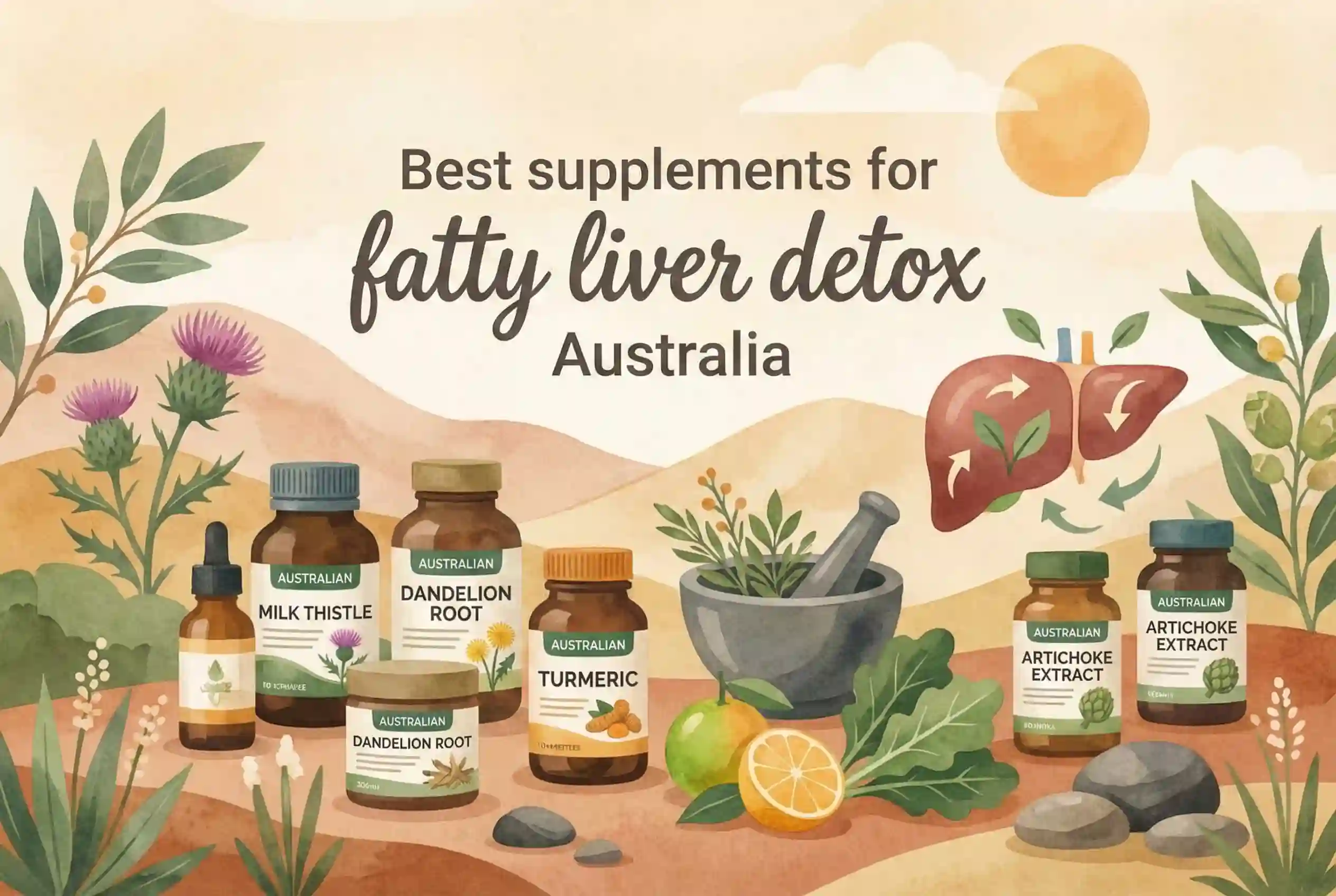
Dandelion root: Traditional use in herbal medicine doesn’t equal clinical evidence for fatty liver. It’s a mild diuretic and digestive bitter, but there’s no good research showing it reduces hepatic fat accumulation or inflammation. I’ve stopped recommending it.
Generic “liver cleanse” formulas: Walk into any health food store and you’ll find combination products with names like “Liver Detox Support” or “Hepato-Cleanse Plus.” The problem? They’re usually underdosed combinations of the ingredients I mentioned above, plus filler herbs. You can’t assess what dose you’re actually getting of each component, and they’re often more expensive than buying quality individual supplements.
Oral glutathione supplements: In theory, boosting glutathione directly makes sense for liver health. In practice, oral bioavailability of glutathione is poor. Most of it gets broken down in the digestive tract before reaching systemic circulation. NAC (which your body converts to glutathione) is more practical and cost-effective.
Artichoke extract: There’s some preliminary research suggesting artichoke may support bile flow and liver function, but the evidence for fatty liver specifically is thin. Not saying it does nothing, just that it wouldn’t be in my top tier of recommendations.
WHY I’M SKEPTICAL OF PROPRIETARY BLENDS
Many liver supplements use “proprietary blends” where they list ingredients but don’t disclose individual amounts. This makes it impossible to know if you’re getting therapeutic doses of anything. It also makes it harder to identify which ingredient might be causing a side effect if one occurs. I prefer transparent dosing.
What Actually Matters More Than Supplements
Here’s the conversation I have with every new client who comes to me for fatty liver support: supplements can support change, but they cannot replace it.
I’ve seen people spend hundreds of dollars monthly on supplements while changing nothing else, and their follow-up ultrasounds and blood work show minimal improvement. I’ve also seen people make strategic dietary and lifestyle changes with minimal supplementation and see significant reversal of fatty liver.
The uncomfortable truth is that what happens outside the supplement bottle matters more than what’s inside it.
Dietary Patterns That Actually Matter
I don’t put clients on restrictive diets. After 12 years, I’ve learned that extreme approaches don’t stick. Instead, we focus on sustainable patterns:
- Reducing refined carbohydrates: This includes sugar, white bread, pastries, sugary drinks. The liver converts excess carbs (especially fructose) directly into fat.
- Managing overall energy intake: You don’t need to count calories obsessively, but being in a state of chronic caloric excess drives fat accumulation.
- Increasing whole foods: More vegetables, quality protein, healthy fats, fiber. This isn’t revolutionary, but it’s effective.
- Moderating fructose: This includes both added sugars and excessive fruit juice consumption.
The goal isn’t perfection. It’s consistent improvement in the overall pattern.
Sleep and Stress
I talk about sleep and stress with every fatty liver client because the research is clear: chronic stress and poor sleep disrupt metabolic function, worsen insulin resistance, and promote fat accumulation in the liver.
Sleep deprivation increases cortisol, disrupts glucose metabolism, and drives cravings for high-carb foods. Chronic stress does the same. You can take all the supplements in the world, but if you’re sleeping 5 hours a night and running on adrenaline, your liver isn’t getting the recovery time it needs.
Practical interventions:
- Aiming for 7-8 hours of sleep consistently
- Managing stress through whatever works for you (meditation, walking, therapy, setting boundaries)
- Addressing underlying sleep disorders if they exist (sleep apnea is common with fatty liver)
Movement Matters
I’m not talking about intense exercise or gym memberships. Even 30 minutes of walking daily makes a measurable difference in liver fat content and insulin sensitivity.
The research consistently shows that physical activity improves outcomes in fatty liver, and it doesn’t need to be strenuous. Regular movement improves insulin sensitivity, supports metabolic function, and helps with weight management if that’s relevant.
For clients who aren’t currently active, we start with something sustainable: walking after meals, taking the stairs, parking further away. Build from there.
The Alcohol Conversation
This one’s uncomfortable but necessary. Even “moderate” alcohol intake matters when your liver is already struggling with fat accumulation and inflammation.
The standard definition of non-alcoholic fatty liver disease (NAFLD) is hepatic steatosis in people who consume less than 20-30g of alcohol daily. But that doesn’t mean alcohol intake below that threshold is harmless—it’s just below the diagnostic cutoff.
I usually suggest clients minimize or eliminate alcohol for at least 3-6 months while we’re actively working on reversing fatty liver. Once things have improved, we can reassess. This isn’t about judgment, it’s about giving your liver the best chance to heal.
The Timeline No One Wants to Hear
This takes months, not weeks. I’ve had clients get frustrated at 6 weeks when they don’t see dramatic changes. But fatty liver didn’t develop in 6 weeks, and it won’t reverse in 6 weeks either.
Realistic timeline for meaningful improvement:
- 3 months: may see improvements in liver enzymes and metabolic markers
- 6 months: typically see reduction in liver fat on imaging
- 12+ months: continued improvement and stabilization
This is why I work with clients on sustainable habits, not restrictive diets. Short-term intensive approaches might show quick changes, but if you can’t maintain them, the improvements don’t stick.
How I Actually Use These in Practice
It’s never just one supplement. My approach is individualized and layered, based on what’s showing up in each client’s presentation.
Starting Point: Assessment
Before recommending anything, I want to understand:
- Current liver function markers (ALT, AST, GGT)
- Metabolic markers (fasting glucose, HbA1c, insulin if possible)
- Lipid panel
- Inflammatory markers (hs-CRP)
- Recent imaging if available
- Dietary patterns, stress levels, sleep quality, current medications
- Other health concerns (gut issues, hormonal imbalances, etc.)
This often includes functional pathology beyond standard GP testing, particularly looking at insulin resistance and inflammatory status.
Typical Protocol Structure
I don’t throw five supplements at someone on day one. Here’s a more realistic approach:
Phase 1 (First 4-6 weeks):
- High-dose omega-3s (foundation)
- Dietary changes (refined carbs, overall intake)
- Sleep and stress assessment
- Movement plan
Phase 2 (6-12 weeks):
- Add NAC or vitamin E (depending on individual presentation)
- Consider berberine if blood sugar is an issue
- Refine dietary approach based on what’s working
Phase 3 (3+ months):
- Add additional support as needed (milk thistle, curcumin)
- Adjust doses based on follow-up pathology
- Continue optimizing diet and lifestyle factors
Monitoring Progress
We do follow-up testing to see if interventions are actually working:
- Repeat liver enzymes at 8-12 weeks
- Metabolic markers at 3 months
- Imaging follow-up at 6-12 months (if baseline imaging showed fatty liver)
If something isn’t working, we adjust. If liver enzymes are rising or nothing’s improving, we dig deeper into what might be missing (undiagnosed sleep apnea? undetected insulin resistance? medication side effects?).
When to Refer Out
I work alongside GPs and specialists, not instead of them. If someone has elevated liver enzymes beyond what I’m comfortable managing, signs of progression to NASH, or complex medical situations, I refer to gastroenterology or hepatology.
For related gut health issues that might be contributing (SIBO, dysbiosis, inflammatory bowel conditions), we address those concurrently. The gut-liver axis is real, and sometimes improving gut health significantly impacts liver health.
Real Example (Anonymized)
A 52-year-old woman came to me with fatty liver found on routine ultrasound. Her ALT was mildly elevated (58, normal <35), she had prediabetes (HbA1c 6.1%), and she was carrying extra weight around her midsection.
Month 1-2: Started omega-3s (2.5g EPA/DHA), reduced refined carbs significantly, started walking 30 minutes daily. She was skeptical but committed.
Month 3: Added berberine 500mg three times daily with meals, NAC 600mg twice daily. Repeat bloods showed ALT down to 45, HbA1c improved to 5.9%. She’d lost 4kg without “dieting.”
Month 6: Continued the same protocol with some dietary fine-tuning. ALT now 38 (nearly normal), HbA1c 5.7%, lost another 3kg. Repeat ultrasound showed reduction in hepatic steatosis.
Month 12: Maintaining improvements. We’d reduced supplement doses slightly and were focusing on sustainable habit maintenance. Her GP was thrilled.
This is what success looks like: slow, steady, sustainable improvement. Not dramatic, but effective.
What to Do Next
If you’re managing fatty liver and feeling overwhelmed by conflicting information, here’s my practical advice:
If You’re DIYing This
Start with the foundations:
- High-quality omega-3 supplement (2-3g EPA/DHA daily)
- Reduce refined carbohydrates and sugar
- Get 7-8 hours of sleep
- Move your body regularly
- Monitor with your GP (liver enzymes every 3-6 months)
Give it at least 3 months before adding more supplements or making it more complicated. Sometimes simple works.
If You Want Personalized Support
A consultation involves:
- Comprehensive health history and current symptom assessment
- Review of recent pathology and imaging
- Discussion of dietary patterns, stress, sleep, and lifestyle factors
- Personalized supplement and dietary recommendations
- Clear action plan with realistic timeline
- Follow-up support and protocol adjustments
You can see how I work with clients here.
Why I Don’t Recommend Starting Everything at Once
If you start five supplements simultaneously, you can’t tell what’s actually working. If you have a side effect, you don’t know which one is causing it. If something improves, you don’t know what to credit.
Layered implementation lets us adjust intelligently as we go.
The Testing I Recommend
Beyond standard liver function tests:
- Fasting insulin (most GPs don’t order this, but it’s crucial for understanding insulin resistance)
- HbA1c (measures average blood sugar over 3 months)
- Lipid panel including triglycerides
- High-sensitivity CRP (inflammatory marker)
- Sometimes thyroid function (hypothyroidism can contribute to metabolic dysfunction)
If budget allows, a FibroScan or repeat ultrasound at 6-12 months to assess actual changes in liver fat content.
Timeline Expectations
Minimum 3-6 months to see meaningful change. Anyone promising dramatic results in 4 weeks is either lying or measuring the wrong things.
This is a marathon, not a sprint. The clients who do best are the ones who accept this upfront and commit to consistent, sustainable changes.
Working With Me
I see clients Australia-wide via online consultations. Distance doesn’t matter when we’re working virtually. You can book a consultation here.
What I offer:
- BHSc Naturopathy qualification, 12+ years experience
- Evidence-informed approach (not just “natural” for the sake of it)
- Realistic protocols that fit your actual life
- Clear communication, no fluff
- Ongoing support and adjustments as needed
Conclusion
Your liver is remarkably resilient when given the right support. I’ve seen people reverse significant fatty liver changes with consistent effort over time. It’s not magic, it’s just physiology.
Supplements have a role, but they’re part of a bigger picture that includes diet, sleep, stress, movement, and metabolic health. The boring truth? Consistency with the basics beats expensive supplements every time.
What I’ve seen work over 12 years: patient, methodical approaches focused on sustainable change. Not restriction, not extremes, not complicated protocols that no one can maintain. Just solid fundamentals, appropriate supplementation, and enough time for your body to respond.
If you’re overwhelmed and want a clear, personalized plan—that’s exactly what I help with. I cut through the noise, tell you what actually matters for your situation, and support you in making changes you can stick with.
Your liver didn’t get here overnight, and it won’t heal overnight. But with the right support, it absolutely can heal.
KEY TAKEAWAYS
• Fatty liver needs metabolic support, not “detox”
• Omega-3s, NAC, and vitamin E have the strongest evidence
• Quality and dosing matter more than number of supplements
• Diet, sleep, stress, and movement matter more than any supplement
• Realistic timeline is 3-6+ months for meaningful improvement
• Individualized protocols work better than generic approaches