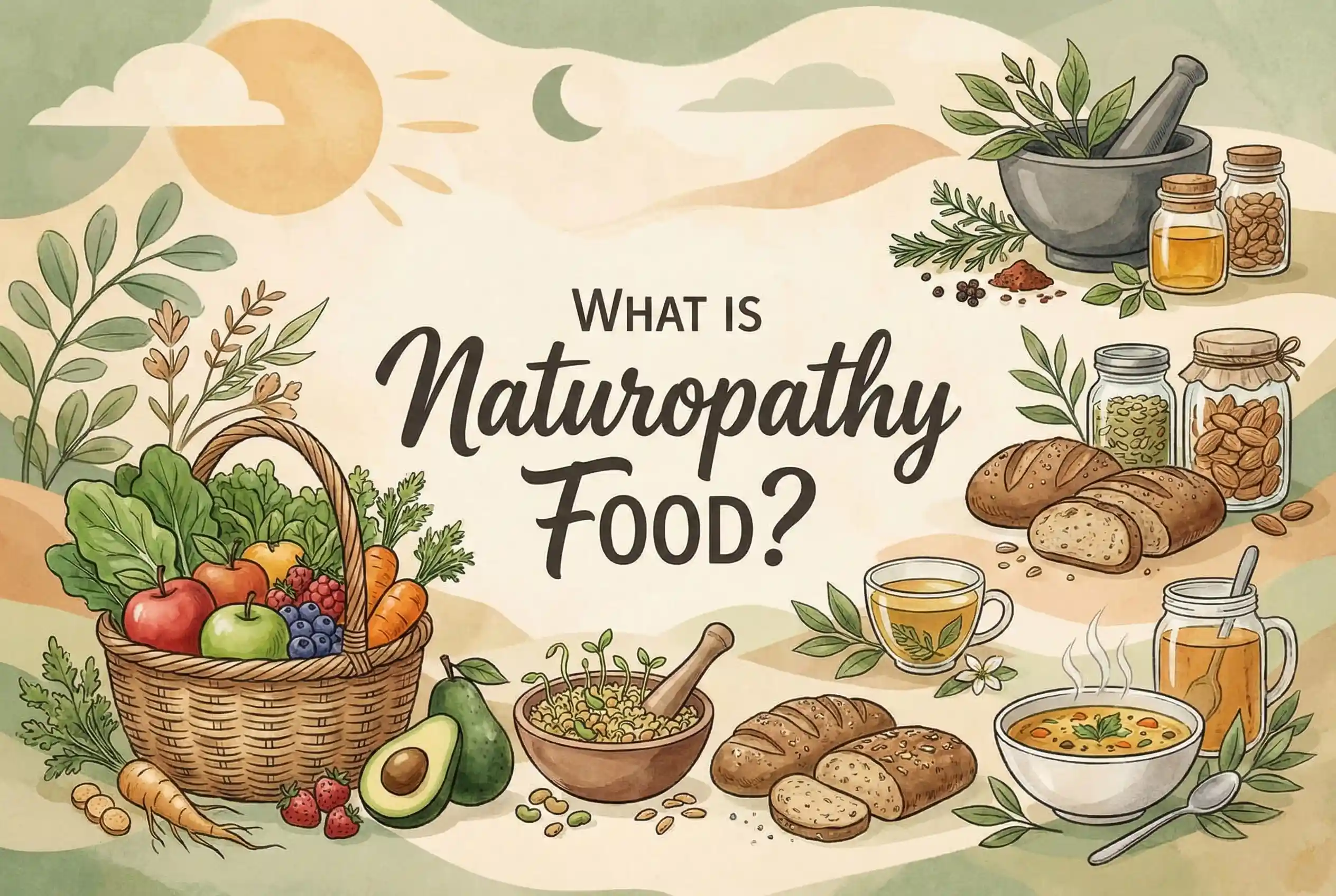
A few months ago, a new client asked me if I could send her a list of “naturopathy foods” she should be buying. She’d been googling before our appointment and was convinced there was a special category of ingredients only naturopaths knew about. I understood exactly what she meant, but I also knew the question itself showed how confusing nutrition advice has become.
So let me clear this up: there’s no such thing as “naturopathy food” in the way you might be imagining. There’s no secret aisle at the health food store or magical ingredient that only practitioners can access. What does exist is a naturopathic approach to food, and that’s what actually matters.
This article will walk you through what that approach looks like in practice, the principles behind it, and what you can realistically expect if you work with a naturopath on your nutrition. No pseudoscience, no food fear, just practical guidance based on twelve years of helping people eat in ways that actually support their health.
The Short Answer: It’s Not About Special Foods
When people ask about “naturopathy food,” they’re usually trying to figure out what a naturopath would recommend they eat. Fair question. But here’s the thing: I don’t have a one-size-fits-all grocery list, and neither does any good naturopath.
What I do have is a framework for thinking about food that prioritizes:
- Whole foods over processed options (when realistic)
- Individual needs over generic meal plans (what works for you specifically)
- Evidence-informed choices over wellness trends (research, not Instagram)
The approach is personalized, practical, and designed to work within your actual life. If you’re wondering what exactly a naturopath does, nutrition is often a big part of it, but it’s always tailored to the person sitting across from me (virtually or otherwise).
The Naturopathic Approach to Food (Core Principles)
Food as Foundation, Not Just Fuel
One of the first things I notice in consultations is how many people have disconnected food from how they feel. They’ll tell me about fatigue, digestive issues, or hormonal symptoms, then describe a diet that’s mostly convenient rather than nourishing. I get it. Life is busy. But food isn’t just fuel to get through the day; it’s information for your body.
In naturopathic practice, we treat food as functional medicine. That means looking at what you eat as a primary tool for supporting (or undermining) everything from your energy levels to your immune system. It’s the foundation we build on before jumping to supplements or complex protocols.
Whole Foods Over Processed
This is probably the most consistent recommendation across naturopaths: prioritize whole foods. Not because processed foods are “evil,” but because whole foods come with nutrients intact, fiber included, and fewer additives your body has to process.
What this looks like practically:
- Fresh vegetables and fruits (frozen counts)
- Whole grains, legumes, nuts, seeds
- Quality protein sources (animal or plant-based)
- Healthy fats from whole food sources
I had a client recently who kept detailed food diaries for two weeks. The “before” version was heavy on packaged snacks, meal replacement bars, and takeaway dinners. The “after” version, six weeks into working together, wasn’t perfect (and didn’t need to be), but it included home-cooked meals most nights, vegetables at lunch, and snacks that were actual food. Her energy improved, her digestion settled, and she stopped crashing at 3pm. No magic, just better building blocks.
Bio-Individuality (No One-Size-Fits-All)
Here’s where naturopathy diverges from generic nutrition advice: I don’t believe the same eating pattern works for everyone. Your digestion, energy patterns, activity level, stress load, health history, and even your taste preferences all matter.
Some clients thrive on regular animal protein. Others feel better eating mostly plant-based. Some need three solid meals a day; others do better grazing. Some can handle dairy without issue; others can’t.
I’m not interested in converting you to a particular diet tribe. I’m interested in what actually works for your body and your life. This is the anti-diet mentality in modern naturopathy, and it’s why I spend time asking questions rather than handing out meal plans.
Evidence-Informed, Not Ideology-Driven
I’m a naturopath, but I’m also someone who values research. I don’t recommend foods or avoid foods based on wellness trends or ideology. I balance traditional nutritional wisdom (which has merit) with current scientific evidence (which evolves).
Full transparency: some naturopaths do push fads. I’ve seen colleagues recommend extreme elimination diets with no clear rationale, or make sweeping claims about foods being “toxic” without evidence. That’s not my approach. If I suggest something, I can explain why, and I’ll tell you when the evidence is limited or mixed.
Key Principles at a Glance
- Food is functional medicine, not just calories
- Whole foods provide better nutritional value than processed options
- What works varies person to person (bio-individuality matters)
- Recommendations should be evidence-informed, not trend-driven
- Sustainable changes beat perfectionism every time
What Naturopaths Actually Recommend (The Practical Stuff)
Common Food Recommendations I Make
While I don’t have a universal list, there are patterns in what I tend to recommend because these foods have broad benefits for most people:
Anti-inflammatory foods: This isn’t just a buzzword. Chronic low-grade inflammation underlies a lot of modern health issues (digestive problems, joint pain, skin conditions, fatigue). Foods that help manage inflammation include leafy greens, berries, fatty fish, nuts, seeds, olive oil, and spices like turmeric and ginger.
Gut-supporting foods: Your gut impacts everything from your immune system to your mood. I often recommend fermented foods (sauerkraut, kimchi, yogurt, kefir), prebiotic fibers (onions, garlic, asparagus, oats), and plenty of diverse plant foods. Not all at once, not in overwhelming amounts, just incorporated gradually.
Blood sugar balancing principles: Stable blood sugar means stable energy. This usually means pairing carbs with protein or fat, choosing whole grains over refined, and eating regularly enough that you’re not starving then binging.
I worked with a woman recently who was experiencing afternoon energy crashes and intense sugar cravings. We didn’t eliminate carbs (she loves bread, and that’s fine). We just shifted when and how she ate them. Adding protein to breakfast, having balanced snacks mid-morning, and including vegetables at lunch made a massive difference within two weeks.
What I Often Suggest Reducing (Not Eliminating)
Notice I said reducing, not banning. I’m not in the business of creating food fear or making your life miserable.
Common things I suggest dialing back:
- Processed foods high in additives: Not because they’re poisonous, but because your body has to work harder to process them
- Excess sugar and refined carbs: Blood sugar chaos affects more than you’d think
- Individual trigger foods: Based on symptoms, testing, or trial elimination (dairy, gluten, etc.)
The goal is sustainable reduction, not perfection. If you have pizza Friday nights and you love it, keep it. If you’re eating packaged snacks three times a day because they’re convenient but you feel terrible, let’s find better options.
Customization Based on Health Goals
This is where the individualized piece really matters. What I recommend shifts based on what someone’s dealing with:
Digestive issues: We usually start with easier-to-digest proteins, cooked vegetables over raw, and identifying potential triggers (common ones: dairy, gluten, high-FODMAP foods). Fiber is important but introduced carefully if someone’s gut is already irritated.
Energy and hormones: Focus shifts to blood sugar balance, adequate protein, healthy fats, and sometimes phytoestrogen-rich foods (flax, soy) or specific nutrients (zinc, B vitamins, magnesium). Cutting caffeine entirely isn’t always necessary, but timing matters.
Skin conditions: Inside-out approach. Anti-inflammatory foods, gut support, hydration, and sometimes reducing dairy or high-glycemic foods. Naturopathy can address a wide range of conditions, and skin issues often respond well to dietary shifts.
How Food Fits Into a Naturopathic Consultation
If you’ve never worked with a naturopath before, you might wonder what a nutrition-focused session actually looks like. Here’s my typical process:
Initial appointment: I spend time gathering information. What are you eating now? How do you feel after meals? What’s your energy like throughout the day? What are your current symptoms? What’s realistic given your schedule, budget, and cooking skills?
I’ll often ask clients to keep a food and symptom diary for a week or two. Not to judge, just to see patterns. Sometimes people don’t realize how often they’re skipping meals, or that their headaches always show up two hours after dairy.
Building a plan: This is collaborative. I’m not handing you a rigid meal plan you’ll abandon in three days. We’re identifying practical changes that make sense for your life. Maybe that’s batch-cooking on Sundays, keeping quick protein options on hand, or swapping one ingredient in your regular rotation.
Follow-up and adjustment: Nutrition work is iterative. We check in, see what’s working, troubleshoot what isn’t, and adjust. Maybe you discovered you hate the breakfast I suggested, or that eating more frequently doesn’t fit your schedule. Fine. We adapt.
This is why people see a naturopath in the first place: individualized support, not generic advice you could get from a blog.
What Happens in a Nutrition-Focused Consultation
- Detailed intake (current diet, symptoms, lifestyle factors)
- Food and symptom tracking (if needed)
- Collaborative goal-setting
- Practical recommendations that fit your life
- Follow-up to refine and adjust
It’s a conversation, not a lecture.
Common Questions (Addressing Misconceptions)
“Do I Have to Go Vegan/Paleo/Keto?”
Short answer: No.
Longer answer: Sometimes specific dietary patterns are helpful therapeutically, for a period of time, for specific conditions. A low-FODMAP approach can help identify IBS triggers. A lower-carb approach might benefit someone with insulin resistance. A whole-food plant-based diet can support cardiovascular health.
But I don’t push dogma. I don’t care if you’re vegan, omnivore, or somewhere in between. I care that you’re eating in a way that supports your health and feels sustainable.
“Will I Have to Give Up Everything I Enjoy?”
One of my clients was convinced that working with me meant she’d never eat carbs again. She’d seen too many wellness influencers demonizing bread and pasta.
Here’s the truth: restriction for restriction’s sake doesn’t work long-term. If you love something and it doesn’t actively make you feel terrible, we find a way to keep it in your life. The goal is balance, not deprivation.
I use the 80/20 principle in practice. If 80% of what you eat is nourishing and supportive, the other 20% can be whatever brings you joy. Life’s too short to never have birthday cake.
“How Is This Different From Seeing a Dietitian?”
Honest answer: there’s a lot of overlap, and both professions can help with nutrition. Dietitians often have more training in clinical nutrition for specific medical conditions (diabetes management, eating disorders, etc.). Naturopaths tend to take a broader approach that includes nutrition but also considers herbs, lifestyle factors, and overall health patterns.
I refer to dietitians when appropriate, especially for complex medical nutrition therapy. We’re complementary, not competitive. The best outcome for a client might involve both of us.
If you’re wondering whether naturopathy actually works, research supports nutritional interventions for many conditions, whether delivered by a naturopath, dietitian, or other qualified practitioner.
“What About Supplements vs. Food?”
Food first. Always.
Supplements have their place (filling nutritional gaps, providing therapeutic doses of specific nutrients), but they don’t replace eating well. I’ve had clients come in taking fifteen different supplements while living on toast and coffee. That’s backwards.
When I do recommend supplements, it’s targeted and time-limited. And I don’t sell products in consultations, which keeps my recommendations unbiased.
What to Expect If You Work With Me
If you’re considering a consultation, here’s what the process typically involves:
We start with an initial deep dive into your current eating patterns, challenges, and health goals. I’m not just looking at what you eat but why (convenience, habits, cravings, confusion about what’s “healthy”).
We then set collaborative goals. Not my goals for you, but what you actually want to achieve. Maybe that’s more energy, better digestion, clearer skin, or just feeling less overwhelmed by conflicting nutrition advice.
I provide practical meal ideas and shopping tips that work within your budget and cooking skills. If you hate cooking, we’re not building a plan that requires hours in the kitchen. If you travel frequently, we’re accounting for that.
We schedule check-ins to see how things are going, troubleshoot challenges, and refine the approach. Nutrition isn’t static. What works in winter might need adjusting in summer. What works when you’re stressed at work might shift when things calm down.
The goal is sustainable habits you can maintain, not a restrictive diet you endure for a few weeks then abandon.
The Bigger Picture: Food Within Holistic Care
Here’s something important to understand: food is crucial, but it’s not the only factor in your health.
I’ve worked with clients who ate impeccably but were chronically stressed, sleep-deprived, and sedentary. Their symptoms didn’t fully resolve until we addressed the bigger picture. I’ve also worked with clients whose nutrition was average but whose stress management and sleep were solid, and they felt pretty good.
Naturopathic care integrates food with stress management, sleep quality, movement, and other lifestyle factors. We look at how everything connects, because treating in isolation rarely works long-term.
This is both a strength and a limitation of the approach. Naturopathy has disadvantages, including that it requires more active participation from you than just taking a pill. But for people willing to engage with that process, the results can be transformative.
Food in Context
Nutrition is foundational, but health is multifactorial:
- What you eat matters
- So does how you manage stress
- So does sleep quality
- So does movement and rest
- So does your emotional wellbeing
We address all of it, not just one piece.
Final Thoughts
So, what is “naturopathy food”? It’s not a special category of ingredients or a rigid meal plan. It’s a thoughtful, individualized approach to eating that prioritizes whole foods, respects your unique needs, and integrates nutrition with broader health goals.
Food should support your life, not rule it. It should be enjoyable, sustainable, and practical. If nutrition advice makes you feel anxious, confused, or deprived, something’s off.
My approach is calm, realistic, and supportive. We focus on clear steps, consistent guidance, and building habits you can actually stick with. Not perfection. Not restriction. Just eating in a way that helps you feel better.
If that sounds like the kind of support you’re looking for, I’d be happy to work with you. You can learn more about how consultations work or book an appointment when you’re ready.
Start small. Build gradually. And remember: there’s no one “right” way to eat, just the way that works best for you.